Dosing & Effects5 min readBy Lola · Published November 12, 2026
Chocolate, Gummies or Capsules: How Mushroom Edibles Are Made and Measured
Dried mushrooms are the oldest way to take psilocybin, but more and more people now choose chocolate, gummies or capsules instead. They taste better, they are easier to portion, and they carry a stated amount on the label. But how are they actually made, and what does that number on the packet mean?
Here is how each format works, why blending matters, and what independent laboratories have found when they tested mushroom edibles. This is general information, not medical advice.
It all starts with dried mushroom
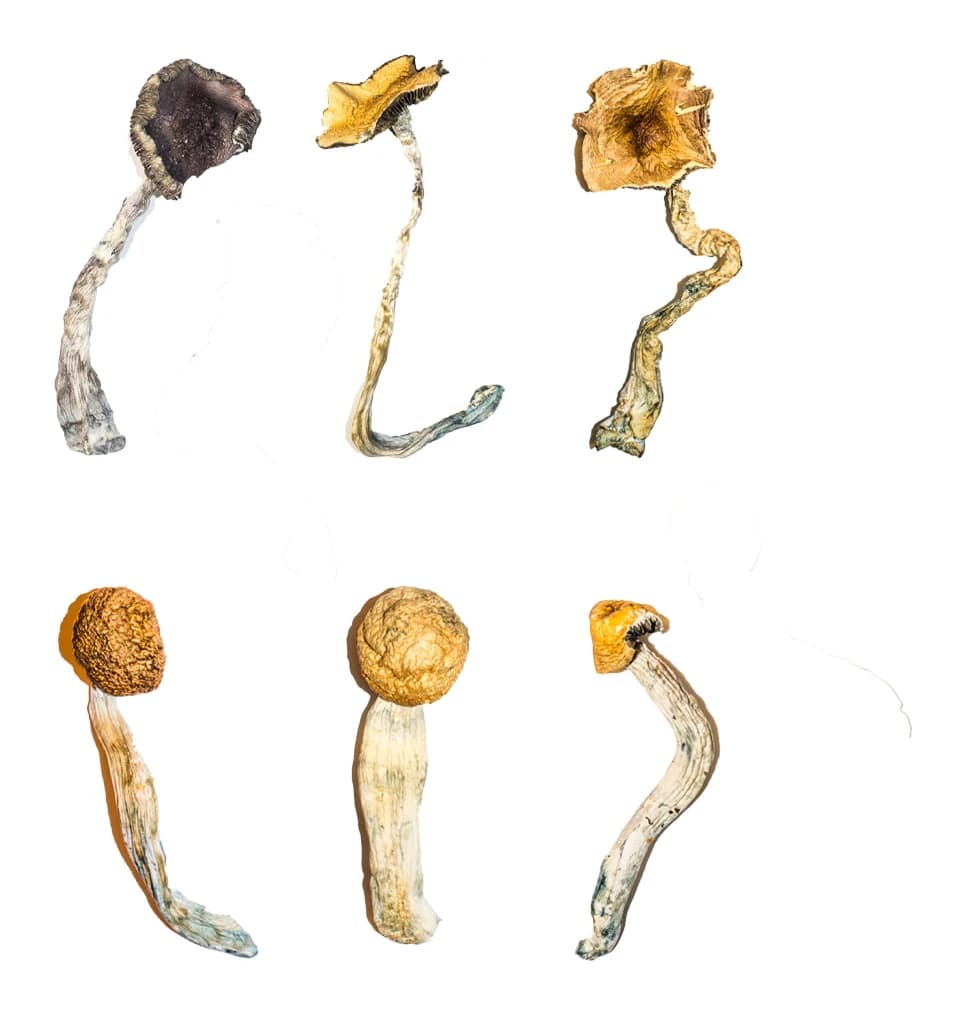
Nearly every mushroom edible begins the same way. Mushrooms are dried until crisp, then ground into a fine powder. That powder is what goes into a chocolate, a gummy or a capsule.
Grinding matters more than it sounds. Laboratory studies have shown that single mushrooms of the same strain, grown side by side, can differ noticeably in psilocybin, as our post on why potency varies explains. Grinding many mushrooms together and mixing the powder thoroughly evens out those differences, so each portion carries something close to the average of the whole batch rather than the luck of one mushroom.
Storage matters too. In 2021, researchers in Prague found that psilocybin in dried Psilocybe cubensis broke down least when kept dry, dark and at room temperature. A good maker treats the powder the same way, and so should you once the packet is open.
How chocolate is made
Chocolate is the most forgiving format. The mushroom powder is stirred into melted chocolate, which is poured into a mould scored into pieces. Each piece is then a fixed fraction of the bar.
- The label usually gives the amount of dried mushroom per piece and per bar. A bar of 3,000 mg split into 15 pieces carries 200 mg of mushroom in each piece.
- Fat and sugar mask the earthy taste of mushroom, which is the main reason many people prefer it.
- The accuracy of each piece depends on how evenly the powder was mixed before the chocolate set.
How gummies are made
Gummies are made by heating a mixture of sugar, water and a gelling agent such as gelatin or pectin, adding flavour and the mushroom powder, then pouring it into moulds to set.
- Each gummy is a single portion, and some are designed to be cut in half.
- Gummies are small and look like ordinary sweets, so they need careful labelling and storage away from children and pets.
- Gummies are also the format where independent testing has turned up the most problems, as the next section shows.
How capsules are made
Capsules are the simplest of all. A measured weight of mushroom powder, sometimes blended with other ingredients, is filled into a vegetable or gelatin shell.
- Because there is no cooking, nothing is added for taste, and the weight per capsule is easy to state.
- Capsules range from microdoses of 50 to 100 mg of mushroom to macrodose capsules of several hundred milligrams.
- Comparing capsules across brands is easiest when you compare the weight of mushroom per capsule, not the number of capsules.
What lab tests of edibles have found
Labels are only as good as the maker behind them, and two studies from Portland, Oregon show why that matters.
In 2025, Richard van Breemen and colleagues at Oregon State University bought 12 products sold as mushroom edibles: 11 gummies and one chocolate. They published their analysis in JAMA Network Open.
- Psilocybin was not detected in any of the 12 products, including one gummy labelled as containing 100 mg of psilocybin.
- Psilocin, the compound psilocybin turns into in the body, appeared in two gummies and the chocolate without any psilocybin. The authors suggested this pointed to synthetic psilocin being added.
- Two gummies contained synthetic tryptamines that have never been studied in people.
- Others contained undisclosed kava, cannabinoids or caffeine, and four contained no active ingredients at all.
A separate 2025 study published in Clinical Toxicology tested eight gummy products bought from seven smoke and vape shops in Portland. The authors concluded that the labelling of the gummies they tested was, overall, inaccurate.
These studies tested small numbers of products from one city, so they cannot say how common the problem is elsewhere. But they line up with the 2024 recall of Diamond Shruumz products in the United States, which followed dozens of illnesses linked to chocolate bars and gummies sold as mushroom products. The company said its products contained muscimol, a compound found in Amanita mushrooms, not psilocybin mushrooms. The lesson is simple: a format is only as trustworthy as what actually went into it.
How to read an edible label
Whatever format you choose, a few habits help.
- Look for the amount of dried mushroom per piece or capsule, and the strain where it is given.
- Work out the amount per portion yourself. A bar's total divided by its pieces should match the per-piece figure.
- Start low and wait the full time given on the label before taking more. Our guide to dosing chocolate and gummies goes through it step by step.
- Store edibles sealed, cool and well out of reach of children and pets.
For a side-by-side look at the two most popular edible formats, see shroom chocolate vs gummies.
Who should skip mushrooms
Do not use psilocybin if you are under 19, pregnant or breastfeeding, or have a personal or family history of psychosis or bipolar disorder. Do not combine it with lithium. Read psilocybin and medications and our safety guide first. Psilocybin is a controlled substance in Canada. This is not legal advice.
Formats we carry
If you would like to compare formats yourself, each of these states the amount of mushroom per portion.
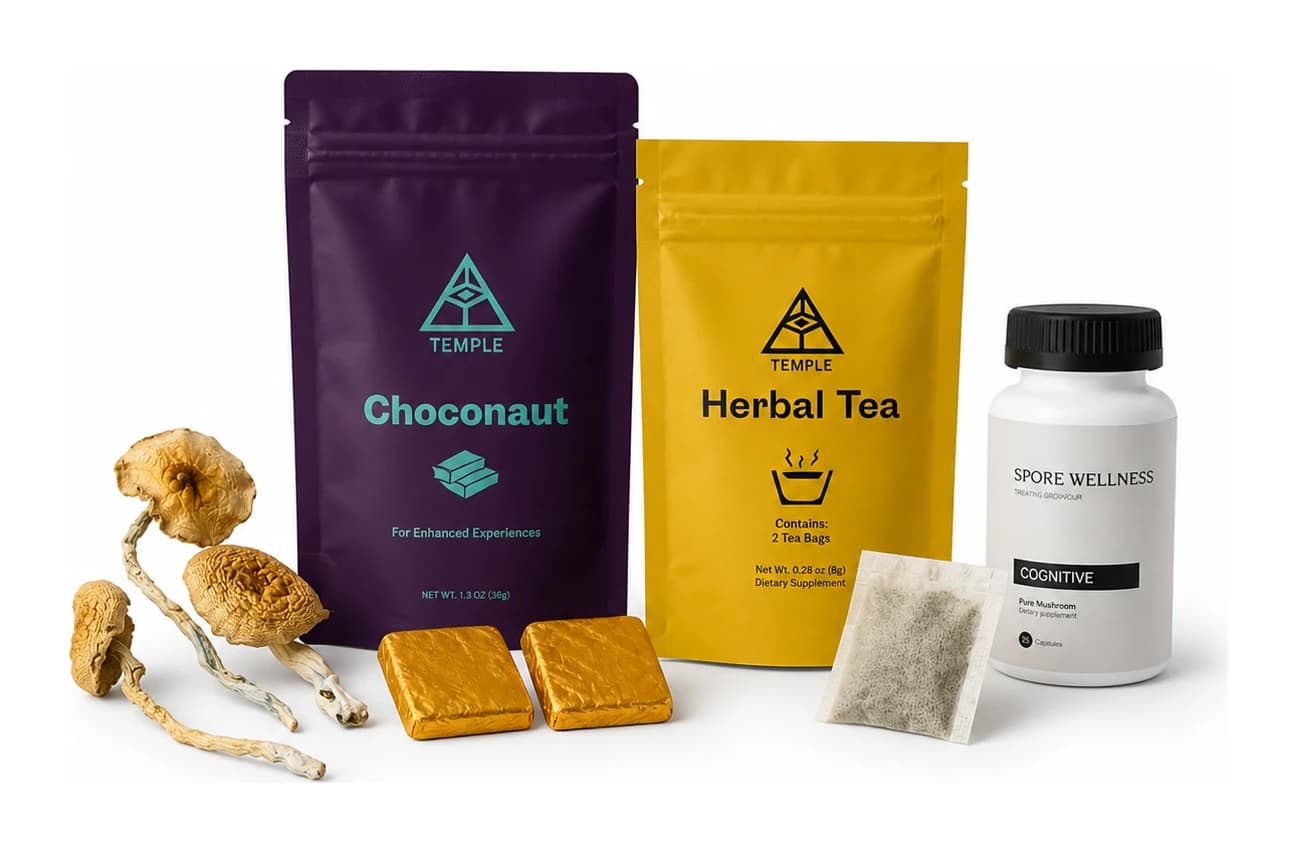
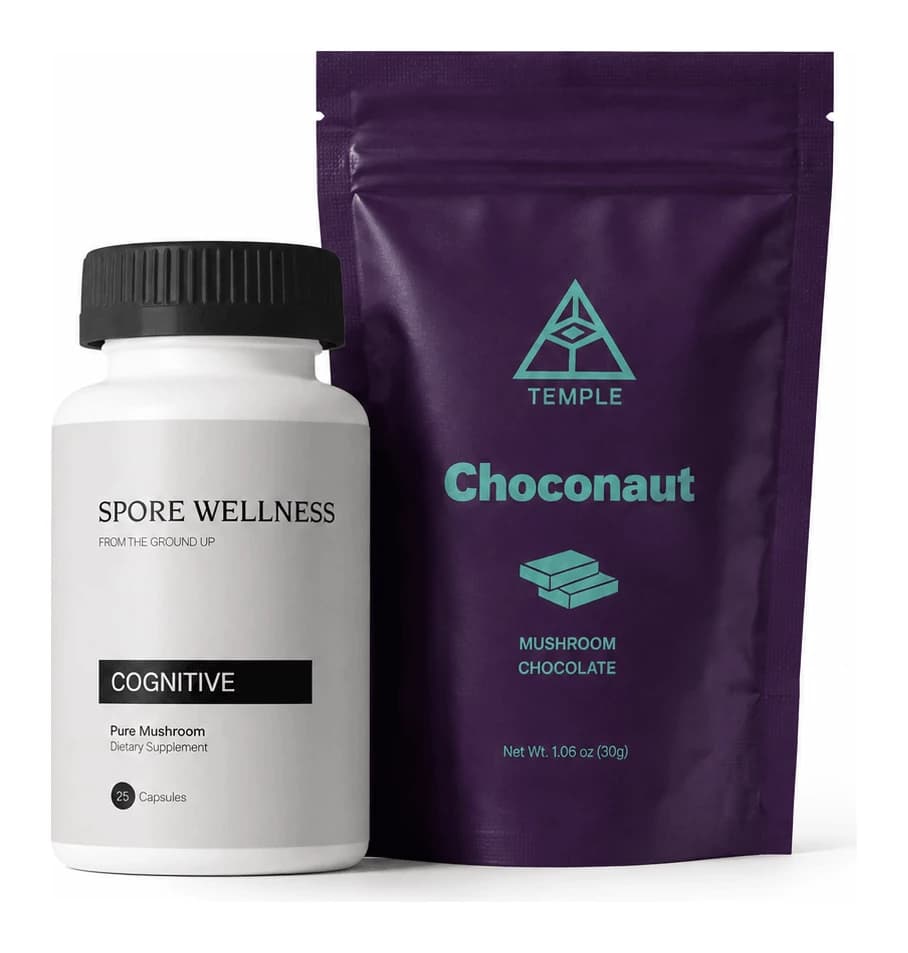
- Choconaut Magic Mushroom Chocolate: Swiss milk chocolate with 0.5 g of Golden Teacher in each piece, in packs of two or four.
- Psilocybin Chocolate Bar: Mint: a 50 g dark chocolate bar with peppermint, scored into 15 pieces of 200 mg each.
- Psilocybin Chocolate Collection: Belgian chocolate bars in six flavours, each paired with a strain, with 300 mg in each of 10 pieces.
- Shroom Infused Block Gummies: fruit gummies with 500 mg of Psilocybe cubensis in each piece, four to a pack.
If you would rather make your own drink, read shroom coffee and hot cacao.
To make your own capsules from dried mushrooms, see how to grind magic mushrooms and fill capsules.
Sources
- van Breemen et al. (2025), Active Constituents of Psilocybin Mushroom Edibles, JAMA Network Open
- Correia et al. (2025), Quantitative analysis of recreational psychoactive mushroom gummies in Portland, Oregon, Clinical Toxicology
- Gotvaldová et al. (2021), Stability of psilocybin and its four analogs in the biomass of the psychotropic mushroom Psilocybe cubensis, Drug Testing and Analysis
- CBS News (2024), Recalled Diamond Shruumz gummies contained illegal controlled substance, testing finds
What the research says
- Dose–response relationships of psilocybin-induced subjective experiences in humansHirschfeld T, Schmidt TT (2021), Journal of Psychopharmacology.A meta-analysis of how the strength of different effects rises with dose, across published studies.
- Pharmacokinetics of escalating doses of oral psilocybin in healthy adultsBrown RT, et al. (2017), Clinical Pharmacokinetics.Measured how quickly psilocin appears in the blood and how long it stays, which is why effects come on in under an hour and fade over several.
- Psilocybin can occasion mystical-type experiences having substantial and sustained personal meaning and spiritual significanceGriffiths RR, Richards WA, McCann U, Jesse R (2006), Psychopharmacology.The landmark double-blind study that restarted modern psilocybin research at Johns Hopkins.
- Survey study of challenging experiences after ingesting psilocybin mushrooms: acute and enduring positive and negative consequencesCarbonaro TM, et al. (2016), Journal of Psychopharmacology.A survey of nearly 2,000 people about their most difficult mushroom experience, and what made those experiences riskier or more meaningful.
Research on psilocybin is still young, and most trials give a measured dose with professional support. Results don't mean any product is safe or effective for you.
This guide is general information, not medical or legal advice. If you have health questions, talk to a health professional.
Your next step
Ready for your first trip?
Not sure where to start? Our starter kits are picked for first-timers. Free shipping across Canada on orders over $130.